Thinking about trading subway stops for shoreline walks? If you are moving from NYC to Old Greenwich, the shift can feel exciting and unfamiliar at the same time. You are not just changing addresses. You are changing pace, space, commute habits, and daily routines. This guide will help you understand what life in Old Greenwich really looks like, what the housing market demands, and what to expect before you make the move. Let’s dive in.
Old Greenwich at a Glance
Old Greenwich is a coastal village within Greenwich that has grown from a farming community to a summer resort area and now a quiet commuter community. Today, it is known for its small downtown feel, shoreline access, and residential character. If you are coming from Manhattan or Brooklyn, the biggest adjustment is that Old Greenwich is not trying to recreate city life.
Instead, you get a walkable village core, access to parks and beach areas, and far more detached housing than you would find in most NYC neighborhoods. The appeal is less about density and late-night activity and more about space, convenience, and a strong daily rhythm built around home, train, and local amenities.
Why NYC Buyers Consider Old Greenwich
For many NYC buyers, Old Greenwich offers a version of balance that is hard to find in the city. You can keep workable access to Manhattan while gaining more square footage, more privacy, and outdoor access that becomes part of your regular routine.
A helpful way to think about it is this: Old Greenwich can appeal to buyers who love the neighborhood feel of places like the West Village, Park Slope, Cobble Hill, Brooklyn Heights, or the Upper West Side, but want a lower-density, coastal setting. It is not a one-to-one substitute. It is a different lifestyle with a village scale and more residential breathing room.
Commuting From Old Greenwich to NYC
If you still need regular city access, the commute is one of the first things to understand. Old Greenwich is on Metro-North’s New Haven Line, and weekday trips to Grand Central can take roughly 41 to 67 minutes depending on the train and time of day.
That commute works well for many buyers, but it does not feel like hopping on the subway. Old Greenwich is better understood as a train-centered, car-augmented commute. In practical terms, that means your schedule may involve driving to the station, thinking about parking permits, and planning around train times more deliberately than you would in NYC.
The Town of Greenwich manages railroad station parking permits, which makes station access part of the normal commuter routine. If you are moving from a neighborhood where public transit is fully embedded in daily life, this is one of the most important mindset shifts to prepare for.
Housing in Old Greenwich Looks Different
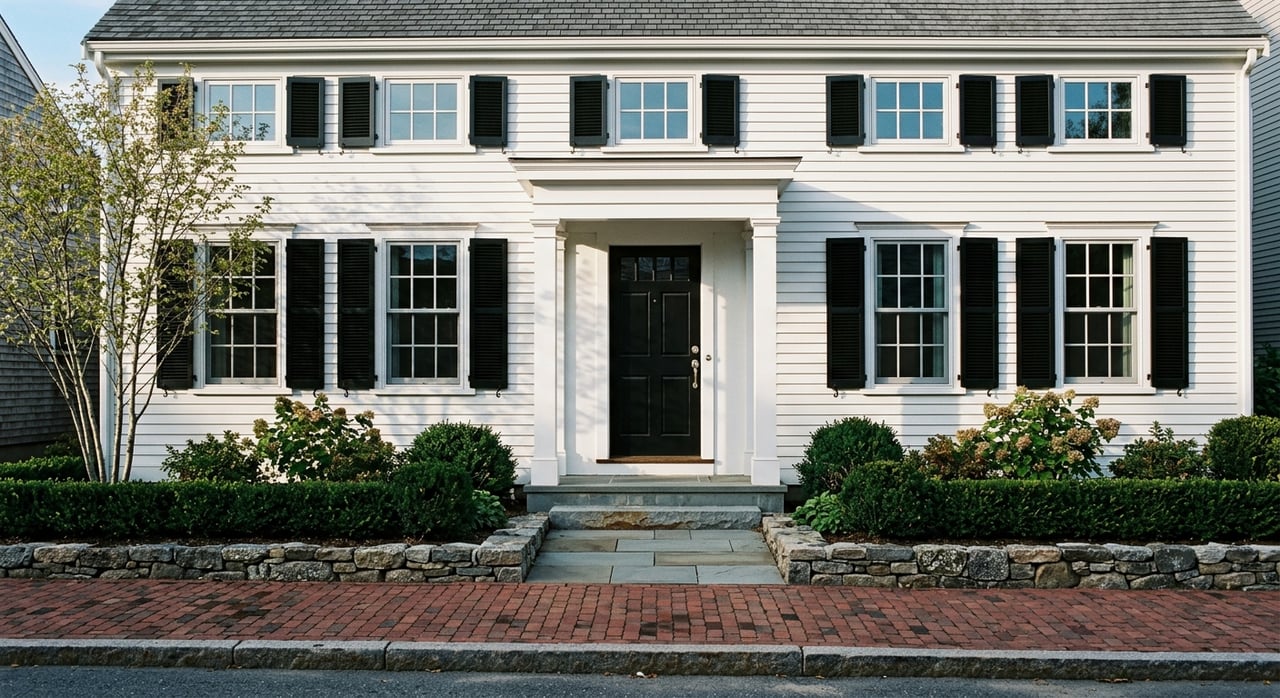
One of the biggest reasons people move from NYC to Old Greenwich is the housing stock. Old Greenwich is heavily oriented toward detached single-family homes, including original Capes and Colonials, along with renovated homes and newer construction.
That means your options may include a classic Shore Colonial, a renovated older home near village amenities, or a newer custom build. Condo inventory does exist, but it is not the dominant product type. If you are used to evaluating co-ops, condos, and townhouses first, Old Greenwich will likely expand your definition of what home can look like.
What Homes Cost in Old Greenwich
Old Greenwich sits at the premium end of the Greenwich market. Recent market snapshots show just how competitive and high-value the area is.
Greenwich’s average home value is estimated at $2,300,120, with a March 2026 median sale price of $2,020,000. In Old Greenwich specifically, Redfin reports a median sale price of $3,005,448 over the last three months, a median sale price per square foot of $951, and homes going pending in about 9 days.
That speed matters. Redfin also describes the area as very competitive, with many homes receiving multiple offers and some listings commonly receiving 17 offers. If you are relocating from NYC and expect a long decision window, Old Greenwich may require a faster, more prepared buying approach.
Renting Before Buying
Some buyers prefer to rent first so they can learn the area before making a purchase. That can be a smart move, but rental pricing in Greenwich and Old Greenwich is still well above national norms.
Greenwich’s April 2026 rent index is $5,206. Current Old Greenwich rental examples range from about $4,400 to $19,000 per month. If you are planning a staged move, it helps to account for the fact that renting here is not a low-cost bridge strategy.
Property Taxes and Revaluation Basics
If you are coming from NYC, local property tax structure may be one of the least familiar parts of the move. In Greenwich, property values are reassessed on a five-year cycle.
The town’s 2025 revaluation is complete and will be reflected on the July 1, 2026 tax bill. The town states that new assessments reflect 70% of fair market value as of October 1, 2025. Greenwich also notes that its Board of Estimate and Taxation sets the mill rate each May.
You do not need to become a tax expert overnight, but you do want to understand how assessments and annual tax bills factor into your true housing cost. This is especially important when you are comparing a suburban home purchase to a city apartment budget.
Daily Life Feels More Outdoor-Centered
Old Greenwich lifestyle is anchored by a few standout public spaces that shape the neighborhood’s feel. Binney Park is a 33-acre local park with walking paths, stone bridges, a gazebo, tennis courts, fields, a playground, and picnic space.
Greenwich Point Park is a 147.3-acre town-owned beach and recreation facility in Old Greenwich. It offers beaches, trails, picnic areas, boating and kayak launch facilities, and seasonal park pass requirements from May 1 through October 31. For many NYC movers, this is where the lifestyle difference becomes real.
Instead of looking for your nearest pocket park, you may find yourself planning beach mornings, waterfront walks, or family time outdoors as part of your normal week. That shift is part of what makes Old Greenwich feel distinct.
Schools and Family Routines
For buyers with children, school logistics are often part of the relocation decision. Greenwich Public Schools includes 11 neighborhood elementary schools, 3 middle schools, and 1 high school. Old Greenwich School serves PreK-5 students in the village itself.
Even if schools are not your main reason for moving, they help shape neighborhood rhythm. Morning drop-offs, afternoon activities, commuting patterns, and park use all influence how Old Greenwich functions day to day.
How Old Greenwich Compares to NYC Living
The most important thing to know is that Old Greenwich is not a suburb that tries to imitate the city. You are trading one set of conveniences for another.
In NYC, convenience often means density, frequent transit, and everything close at hand. In Old Greenwich, convenience often means more home space, easier access to the outdoors, commuter rail to Manhattan, and a smaller-scale downtown environment.
That trade can be a very good fit if you want more room and a calmer daily pace without giving up connection to the city. It may be less ideal if your lifestyle depends on the energy and immediacy of true urban density.
What to Prepare Before the Move
A move from NYC to Old Greenwich goes more smoothly when you plan for the lifestyle changes, not just the closing date. A few practical items deserve attention early.
- Review your commute needs and ideal train schedule
- Understand station access and parking permit logistics
- Define whether you want to rent first or buy immediately
- Set a realistic housing budget that includes taxes and carrying costs
- Be prepared for a competitive market and fast-moving listings
- Decide how much you value walkability versus lot size or newer construction
The clearer you are on these points, the easier it is to focus your search and move with confidence.
Why Local Guidance Matters
Old Greenwich is a small market with a distinct housing mix, premium pricing, and fast-moving inventory. For NYC buyers, the challenge is not just finding a house. It is understanding which block, commute pattern, home style, and lifestyle setup best fit the life you actually want.
That is where local perspective makes a difference. The right guidance helps you compare options clearly, move quickly when the market requires it, and make a decision that feels right both financially and practically.
If you are considering a move from NYC to Old Greenwich, The Sarsen Team offers discreet, locally informed guidance tailored to your timeline, priorities, and long-term goals.
FAQs
What is Old Greenwich like for NYC buyers?
- Old Greenwich is a coastal village within Greenwich known for its small downtown feel, detached homes, commuter rail access, and parks and beach amenities rather than city-style density.
How long is the commute from Old Greenwich to Grand Central?
- Metro-North weekday trips from Old Greenwich to Grand Central typically take about 41 to 67 minutes depending on the train and departure time.
Are homes in Old Greenwich expensive?
- Yes. Recent data shows Old Greenwich at the high end of the Greenwich market, with a median sale price of about $3,005,448 over the last three months.
Is Old Greenwich a competitive real estate market?
- Yes. Homes can go pending in about 9 days, and many properties receive multiple offers.
Can you rent in Old Greenwich before buying?
- Yes, but rental costs are still significant. Current examples range from roughly $4,400 to $19,000 per month, and Greenwich’s rent index is $5,206.
What kind of homes are common in Old Greenwich?
- Old Greenwich is heavily weighted toward detached single-family homes, including Capes, Colonials, renovated older homes, and newer construction.
What parks and outdoor spaces are in Old Greenwich?
- Binney Park and Greenwich Point Park are two major local amenities, offering walking paths, open space, beaches, trails, and seasonal recreational access.
What should NYC movers know about Old Greenwich commuting?
- The commute is rail-based rather than subway-based, so many residents plan around Metro-North schedules, station access, and commuter parking permits.