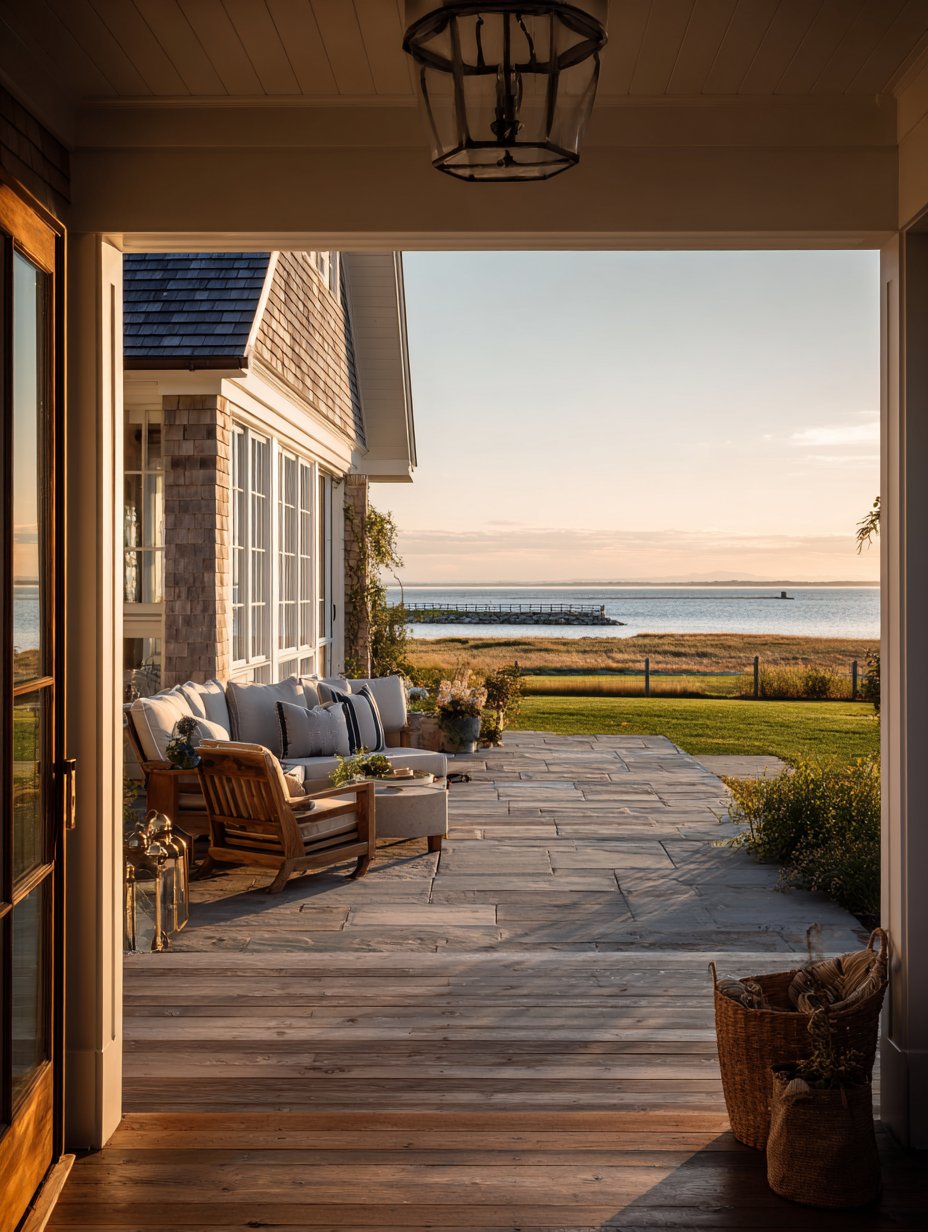
Selling a coastal home in Darien takes more than a standard pre-listing checklist. Buyers in this part of lower Fairfield County are often drawn in by the shoreline lifestyle, but they also tend to look closely at condition, paperwork, flood exposure, and how easy the home will feel to own. If you are preparing to sell, a thoughtful plan can help you reduce friction, present the property with confidence, and protect value from day one. Let’s dive in.
Why coastal prep matters in Darien
Darien has about 16 miles of shoreline along Long Island Sound, and its coastal identity has long shaped buyer demand in areas such as Tokeneke, Long Neck Point, and Noroton. That history still influences how waterfront and water-adjacent homes are viewed today, especially in the upper end of the market.
Current market conditions support a presentation-first strategy. The Darien Board of REALTORS reported 22 homes for sale in February 2026, a median sales price of $2,287,500, and 50 days on market until sale. In the broader lower Fairfield County luxury market, the median days on market for luxury closings was 21 in Q3 2025, and 60 percent of luxury homes sold at or above list price.
The message for sellers is clear. Your home is not only competing on location. It is also competing on readiness, clarity, and the confidence it gives buyers when they ask coastal-specific questions.
Start with records, not cosmetics
Before you schedule photography or think about staging, gather the property file. In Darien, permit applications are handled electronically through the town’s ViewPoint system, and permits from 2021 to the present are available online. Earlier permits can be researched through a street card at Town Hall.
This step matters because Connecticut’s residential seller disclosure materials specifically direct buyers to confirm permits and certificates of occupancy with the municipal building official. If you completed an addition, renovated exterior spaces, upgraded systems, or altered shoreline features, buyers may ask for documentation early.
A strong file often includes:
- Permit history
- Certificates of occupancy
- Survey or as-built documents
- Records of major repairs or improvements
- Foundation-related paperwork, if applicable
- Shoreline structure records for docks, piers, or similar improvements
If your home may be subject to Connecticut’s updated 2025 seller paperwork, including the Residential Foundation Condition Report for certain owners, it is smart to prepare that information before the listing goes live.
Order a pre-list inspection with coastal focus
In a coastal sale, a general sense that the home is “well maintained” is not enough. You want a clear understanding of the issues buyers are most likely to examine, especially because Connecticut’s disclosure form asks about water penetration, seepage, and natural flood events.
For many Darien shoreline homes, the most useful pre-list inspection goes beyond routine items and focuses on known coastal weak points. That usually includes the roof, flashing, windows, basement or crawlspace moisture, drainage, retaining walls, exterior wood, and any waterfront structures.
If the home has had past water intrusion, repairs, or mitigation work, organize that story clearly. Buyers do not necessarily expect perfection, but they do respond well to documentation that shows the issue was identified, addressed, and monitored.
Confirm docks and shoreline improvements
If your property includes a dock, pier, float, or another waterward improvement, do not assume older work is automatically acceptable by today’s standards. Connecticut’s Department of Energy and Environmental Protection states that residential docks in tidal, coastal, and navigable waters may require different forms of authorization depending on whether the structure is new, maintained, or modified.
Darien zoning rules add another layer. Buildings, uses, and structures fully or partly within the coastal boundary are generally subject to Coastal Site Plan Review, with limited exemptions. That means last-minute exterior changes near the waterline should be checked carefully before work begins.
For sellers, the practical takeaway is simple. If you have shoreline structures or are considering exterior updates before listing, verify the permit and approval history first. Solving those questions before buyers ask can make the transaction feel much smoother.
Prepare for flood-zone questions early
Flood exposure is one of the first issues many buyers will raise when evaluating a Darien coastal property. FEMA is the official source for flood-hazard mapping, and Darien’s own flood-map resources note that certain panels cover the southeast and south portions of town, including areas around Tokeneke Brook, Five Mile River, Noroton Bay, and Scotts Cove.
That does not mean every shoreline or near-shore address is affected in the same way. It does mean you should verify the status of your specific parcel rather than rely on assumptions based on neighborhood alone.
A clean flood documentation packet can help buyers move from concern to clarity. Useful materials often include:
- Current flood insurance declarations page
- Elevation certificate, if available
- Survey-based flood documentation
- Records of prior flood-related claims
- Documentation for mitigation work such as sump pumps, drainage improvements, backflow protection, or flood vents
Even if your home is not in a high-risk flood zone, buyers may still want a direct answer on insurance history and prior water events. Having those materials ready helps you control the conversation with facts.
Complete seller disclosures carefully
Connecticut requires residential seller disclosure paperwork, and accuracy matters. The condition report is not a warranty, but buyers use it as a starting point when they assess risk, deferred maintenance, and whether the home has a consistent paper trail.
For a Darien coastal home, this means taking extra care with any questions related to seepage, water penetration, flood events, repairs, and structural history. If the property was built before 1978, federal lead-based paint disclosure rules also apply to most residential sales, so you should gather any prior reports, remediation records, and related documentation.
This is not the most glamorous part of listing prep, but it is one of the most important. Clear and complete paperwork helps reduce surprises later.
Stage for the water and the lifestyle
Once the records and due diligence are in order, presentation becomes the next priority. In Darien’s coastal market, staging should make the view the focal point whenever possible.
That often means removing bulky furniture from window lines, simplifying room layouts, and using a restrained palette so the eye moves naturally toward the water. Clean windows matter. So do sightlines from main living spaces, primary rooms, and key approach angles used in photography.
Outdoor areas should feel intentional and connected to the home. If you have terraces, decks, a waterfront lawn, a dock, or a pool, each space should read as part of a cohesive living experience rather than a collection of separate features.
A useful staging checklist for a Darien coastal home includes:
- Declutter waterfront-facing rooms
- Remove furniture that blocks view corridors
- Control humidity and odors
- Refresh landscaping and lawn edges
- Clean stone, patios, and exterior hardscape
- Store boating, maintenance, or yard equipment out of sight
- Arrange outdoor seating so it feels permanent and purposeful
For many buyers, the emotional draw is not just the house itself. It is the promise of a polished, easy shoreline lifestyle.
Focus on low-friction ownership
In higher-value coastal sales, buyers often look beyond finishes and square footage. They want to know how the home lives, how it has been maintained, and whether ownership will feel straightforward after closing.
That is why prep work in Darien should support more than visual appeal. A well-prepared listing also shows that permits were handled properly, flood questions have clear answers, and any shoreline features or repairs have supporting records.
This kind of preparation can strengthen buyer confidence in neighborhoods with strong coastal-luxury identity, including Tokeneke and Long Neck Point. In a selective market, confidence can be as important as curb appeal.
A practical Darien coastal checklist
If you want a concise plan, start here:
- Pull permit history and certificates of occupancy.
- Gather surveys, as-builts, and records of major improvements.
- Order a pre-list inspection focused on moisture, drainage, windows, roof, and exterior materials.
- Verify flood-zone status for the specific parcel.
- Assemble flood insurance, mitigation, and claim documentation.
- Confirm approvals for docks, piers, seawalls, or other shoreline structures.
- Complete Connecticut disclosure forms accurately, including any 2025 updates that apply.
- Add lead-based paint disclosures if the home was built before 1978.
- Stage interior and exterior spaces to emphasize water views and ease of use.
A coastal home in Darien can attract strong interest, but the best results usually come from careful preparation, not shortcuts. When your home is presented with the right documentation, thoughtful staging, and a clear answer to shoreline and flood questions, buyers can focus on the property itself instead of potential friction. If you are considering a sale and want a discreet, tailored strategy for your Darien home, The Sarsen Team can help you prepare and position it with care.
FAQs
What should you do first when preparing a Darien coastal home for sale?
- Start by gathering records such as permits, certificates of occupancy, surveys, and documentation for major repairs or improvements before moving on to staging or cosmetic updates.
Why do flood documents matter when selling a coastal home in Darien?
- Buyers often want clear information about flood-zone status, insurance history, prior claims, and mitigation work, so having those documents ready can reduce uncertainty and keep the sale moving.
Do docks and shoreline structures in Darien need special review before sale?
- Yes. Docks, piers, floats, and other shoreline improvements may be subject to state authorization requirements and local coastal review rules, so sellers should confirm the approval history early.
What does a pre-list inspection for a Darien shoreline home usually include?
- It often focuses on roof condition, flashing, windows, drainage, basement or crawlspace moisture, exterior wood, retaining walls, and any signs of prior water intrusion.
How should you stage a Darien coastal home for buyers?
- Stage the home so the water view leads the experience by opening sightlines, simplifying rooms, cleaning windows, refining outdoor spaces, and keeping equipment and clutter out of view.
Are there extra disclosure requirements for older Darien homes near the coast?
- If the home was built before 1978, lead-based paint disclosures generally apply to most residential sales, and coastal sellers should also complete Connecticut’s condition disclosures carefully, especially for moisture and flood-related questions.